

Five faith-based lessons for speaking honestly, treating people with respect, and following through
The officers interrogating me were frightened, too.
I was an attorney defending persecuted Christians in Communist Romania. My work had brought surveillance, interrogations, and threats against my family. As we prepared to leave the country, my husband and I were summoned to the passport office, where officials separated us and escorted us into different rooms.
I did not know whether we would be allowed to return home.
During my interrogation, Romania’s dictator, Nicolae Ceaușescu, called several times. I could hear him shouting over the telephone and see the fear on the officers’ faces. Each time they stopped questioning me to take a call, I prayed for them.
These men were threatening my family. But the moment the dictator called, everything changed. The men who had threatened me with such arrogance suddenly trembled with fear. Their confidence crumbled, their voices changed, and their power vanished. Before the dictator, they were as helpless and terrified as they had tried to make me feel.
The men who believed they controlled my life were themselves prisoners of fear.
Surrounded by threats against my family and my life, I possessed what my persecutors lacked—the unshakable peace of God. Powerless to defend myself, I trusted the Almighty God who held my life in His hands. Gratitude overwhelmed me—and something extraordinary happened.
I began to pray for the very men who were threatening to destroy my life.
They saw an enemy in me. Through God’s eyes, I saw prisoners of fear, desperately needing the love and peace they tried to steal from me.
They could threaten my life, but they could never steal God’s peace from my heart. That day, I learned again: True freedom comes not from earthly power, but from a heart surrendered to Jesus Christ.
After hours of questioning, we were allowed to go home with a promise that our passports would be ready soon. I tell that story in my memoir, Saving My Assassin.
For me, Christian leadership carries a profound responsibility: the same faith that gave me the courage to defend persecuted Christians also challenged me to love and forgive those who persecuted us.
Your circumstances may be very different from mine. You may lead an organization, manage a team, or face a difficult decision yourself. Someone may ask you to make a promise you cannot keep, overlook a concern, or withdraw support from a person who needs help.
Speaking up may cost you approval or an opportunity you wanted. Your response also affects the people relying on you and the example you set. For a leader, the responsibility includes how you respond when someone questions your own decision.
How do you handle opposition without compromising your values or losing sight of the person in front of you?

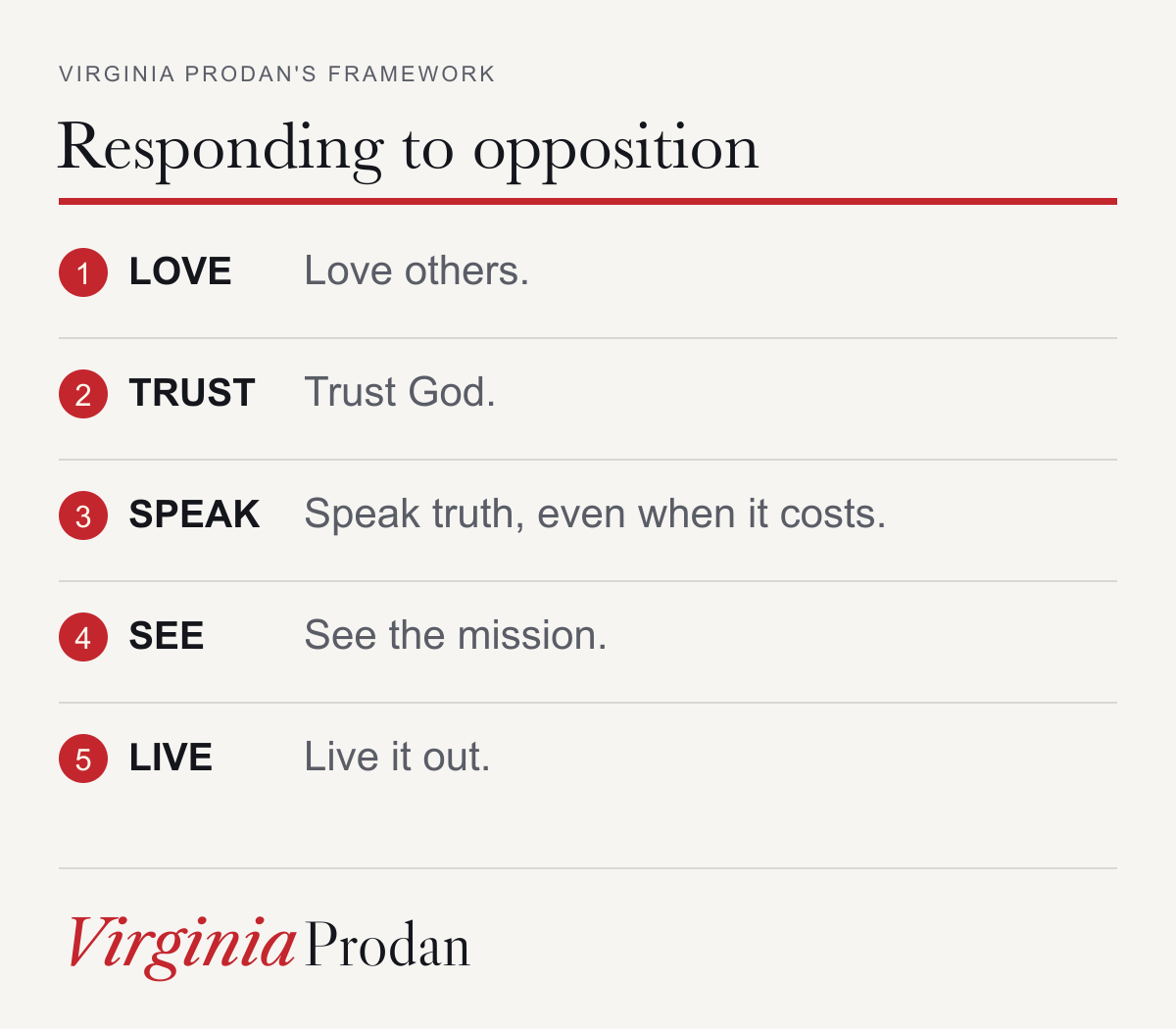
Five parts of my framework help explain what that requires:
Love. Trust. Speak. See. Live.
Love: Pray for the person who opposes you
I knew what the secret police had done to me. I was afraid for my children. I wanted the officers to know Christ’s love, and I wanted the harm they were doing to stop.
Both mattered.
You can speak honestly about someone’s actions, seek help to stop harm, and pray for that person. Loving someone calls for care in how you treat them, including when you must oppose what they are doing.
In an ordinary disagreement at work or at home, begin by listening. Give the other person an opportunity to explain. If you have misunderstood, acknowledge it. If the concern remains, address the action clearly, with respect for the person.
If you lead a team, listen when someone questions your decision. Ask what they have noticed. A concern deserves a fair hearing, including when it is uncomfortable for you to hear.
Trust: Tell God what you are afraid of
At home that day, my husband asked how I could remain calm. I told him the secret police still frightened me sometimes. Learning to love them had been extremely difficult. I could not do it by myself.
I kept returning to Christ’s words in Matthew 5:44:
“But I tell you, love your enemies and pray for those who persecute you.”
I struggled to obey those words. I needed God’s help.
If you are afraid of losing work, disappointing someone, or damaging a relationship, bring that fear to Him honestly. Ask for wisdom about what needs to be said and for help from people you can trust.
Before a difficult conversation, separate what you know from what you fear might happen. Check the facts, seek counsel where needed, and decide what you can honestly say. You may still feel afraid when it is time to speak.
There were things I could not settle for my family that day. I could still pray, speak, and trust God with what I could not know.
Speak: Refuse to put your name to something untrue
During an earlier interrogation, officers demanded that I sign a statement accusing American congressmen of lying about human rights violations in Romania. I knew what was happening to the Christians I represented. I refused to sign.
I was frightened of the consequences. I was also afraid of answering to God for signing a lie.
That experience helps explain why loving my persecutors and speaking truth belonged together in my faith.
Consider a workplace example. A senior colleague asks you to promise a client that a project will be finished by Friday. You have checked with your team and know the work cannot be completed by then. The colleague insists because the contract matters.
The client will rely on your word. Explain what remains unfinished and what you can honestly commit to delivering. Offer a workable alternative, even if that makes the conversation uncomfortable.
Before challenging someone else’s account, examine the facts carefully. When you discover that you were mistaken, correct yourself. Standing for truth includes that responsibility.
See: Keep the people you serve in view
I believed God had called me to defend persecuted Christians. My clients needed someone willing to take their cases and do the work carefully, despite the danger.
My responsibility included preparation as well as courage. Their lives and families were affected by what happened in court.
Never let opposition steal your focus from God’s calling. Remember whom you serve, stand firm in your mission, and lead courageously. Your faithfulness today can transform lives for generations.
In the workplace example, a client needs reliable information, and a team needs commitments it can fulfill. A promise made to end an uncomfortable conversation leaves both of them carrying the consequences. Keep their needs in view while considering the available choices.
A deadline or an approach can change while your commitment to honesty remains. Be willing to hear a correction or consider a better way to serve the people depending on you.
Live: Let people see your faith in your actions
After I explained my struggle to love my enemies, my husband called me an amazing woman.
I answered, “We serve an amazing God.”
I knew how much I had needed His help.
True courage is not measured only by what we say in difficult conversations, but by what we do afterward. If you promised to address a concern, follow through. If you made a commitment, honor it—even when it costs you something. If your words wounded someone or you acted unfairly, have the humility and courage to acknowledge it, apologize, and make things right.
Your faith becomes powerful when your actions reflect your convictions. People may forget your words, but they will remember your integrity, your kindness, and the courage you demonstrated when doing what was right was difficult.
Don’t just speak about your faith. Live it so boldly and consistently that others can see Christ through you. Every courageous decision, every promise kept, and every wrong made right is an opportunity to build trust, inspire others, and leave a legacy of faith and integrity.
If you lead a team, explain what you decided and what will happen next. Continue treating the person who raised the concern fairly. Your response gives people an example of what happens when someone speaks honestly.
The same responsibility applies in a personal relationship. Hear the concern, explain your decision, and keep the commitments you make.
In everything you do, even in life’s most difficult moments, let others see the light and love of Christ shining through you.
Your legacy is built daily—through courage in opposition, kindness in hostility, and fearless faith in action. What you do today can transform generations tomorrow.
Think of one conversation you have been avoiding. What needs to be said truthfully? Whose needs must you consider? What action will you be responsible for afterward? Ask God for help, including help to love the person you find difficult, and take the next step.
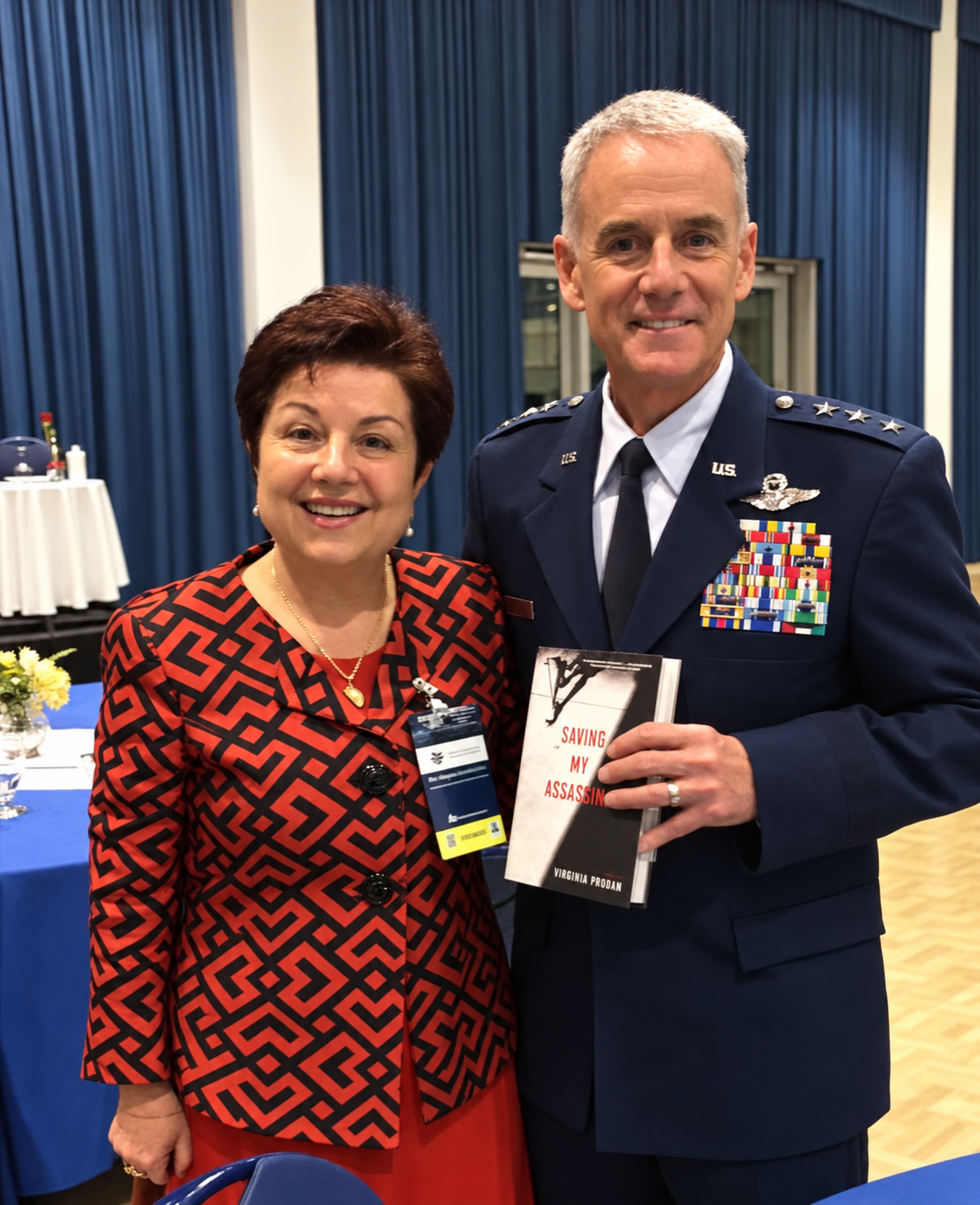
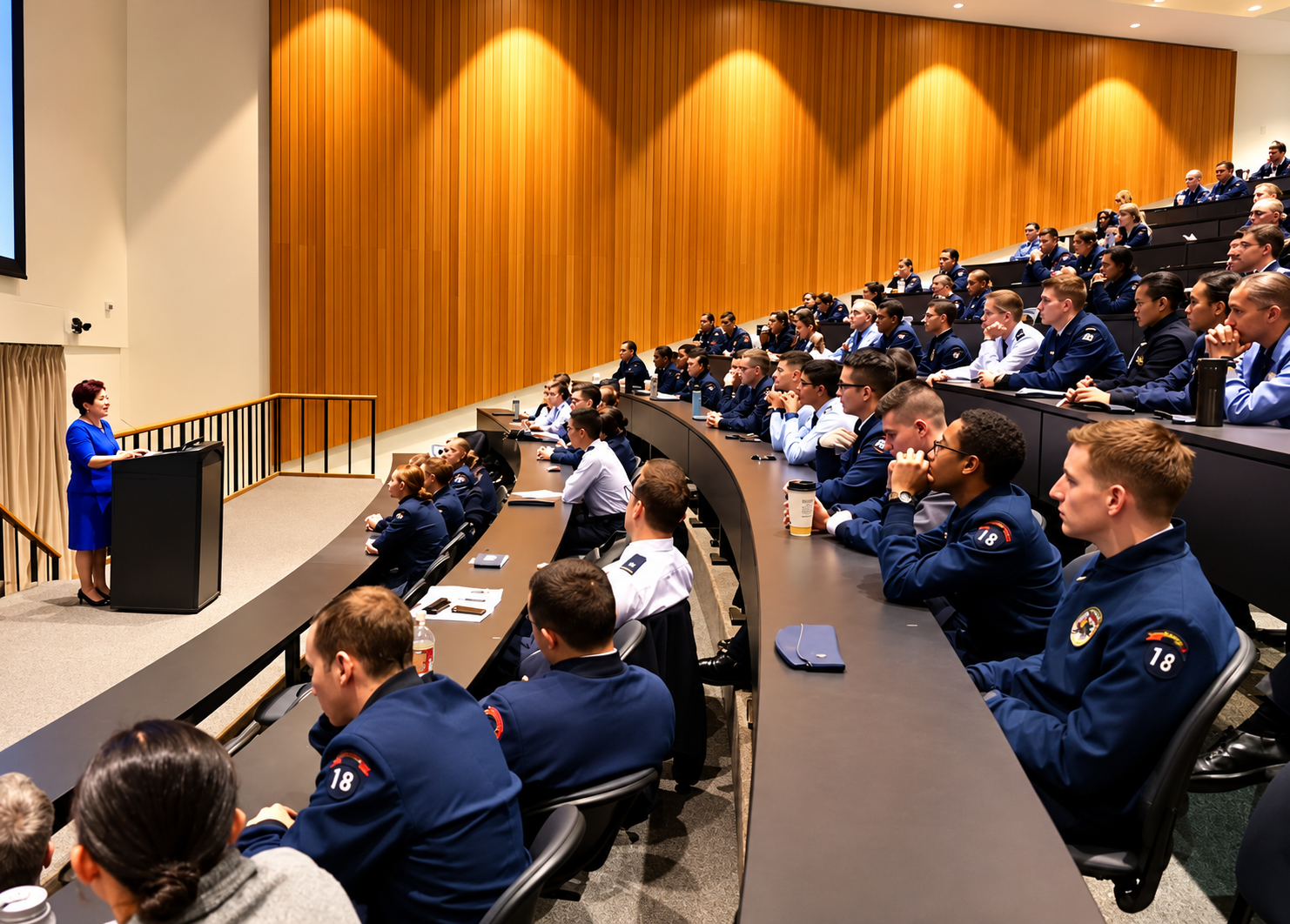
Today, I share these experiences as an attorney, author, and international keynote speaker. If you are planning a leadership event, a program for your organization, or a faith-based gathering, I would welcome a conversation about your audience and the difficult decisions they face.
Inquire about a speaking engagement or email virginia@virginiaprodan.com.
